Your trusted haulage partner in Essex

Everything you need to know about the call for a cut in fuel duty rates

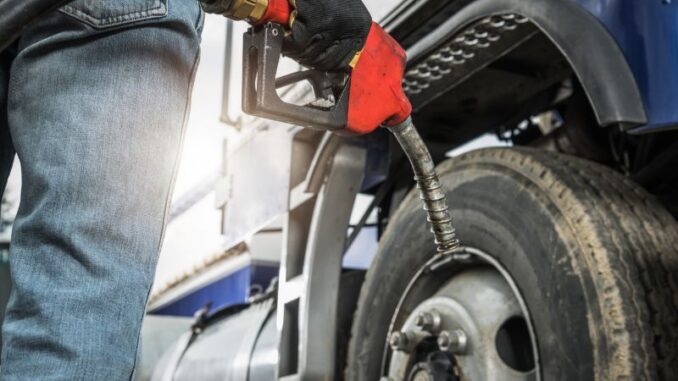
Worker adding fuel into their HGV vehicle

The UK’s logistics sector is facing unprecedented challenges due to rising fuel duty rates and increasing pressure to transition to sustainable transport solutions. As fuel prices continue to soar and businesses struggle with narrow profit margins, industry leaders are calling for immediate government action. Logistics UK is pushing for both a reduction in fuel duty rates, and increased investment in low-carbon fuels to support hauliers and ensure the industry remains viable.

The latest news for March 2025 and the fuel duty rates extension

The UK logistics industry is urging the government to take immediate action to address rising fuel costs and support low-carbon fuel alternatives. Logistics UK has reiterated its call for a 6p per litre cut in fuel duty, a move that could save hauliers £2,424 per 44-tonne truck annually.

Additionally, the industry is pushing for a taxation system similar to Portugal’s, where fuel duty rates are adjusted weekly based on VAT revenue from fuel sales. This approach could help mitigate the financial strain on transport businesses and prevent further cost increases for consumers.

As announced at the Autumn Budget 2024, the government has confirmed an extension to the temporary 5p per litre cut in fuel duty rates until 22 March 2026. This measure, first introduced in March 2022, ensures that:

  1. Fuel duty rates remain at 52.95p per litre for petrol and diesel, where they have been frozen since 2011-12
  2. The planned inflationary increase in fuel duty for 2025-26 will not take place 

Who will be affected?

The main people who will be affected by these changes and benefit from this measure include; manufacturers, importers, distributors, retailers and business consumers of fuel products. 

When does the measure come into effect?

The temporary 5p per litre fuel duty rate cut has been extended for another 12 months and will now expire on 22 March 2026.

Considering prior concerns about potential fuel duty rate increases, this measure is expected to be welcomed by businesses and households alike as a way to minimise energy costs.

Fuel pump outside of a petrol station

The rising cost of fuel

Kate Jennings, Policy Director at Logistics UK, warned:

“This ongoing inflation is placing an unsustainable burden on logistics businesses, which are crucial to keeping the UK supplied with goods.”

A push for low carbon fuels

In addition to fuel duty rate reductions, Logistics UK is advocating for greater investment in low-carbon fuels (LCFs) to accelerate decarbonisation efforts. This follows the recent announcement of 54 new charging and hydrogen refuelling hubs for zero-emission HGVs by Future of Roads Minister Lilian Greenwood.

Michelle Gardner, Deputy Director of Policy at Logistics UK, highlighted the role of LCFs in bridging the gap to net-zero:

“While the long-term goal is zero-emission technologies, LCFs such as hydrotreated vegetable oil (HVO) can immediately reduce carbon emissions by up to 80% without requiring modifications to existing diesel engines.”

Frequently asked questions about fuel duty rates 

  1. Why is logistics UK calling for a fuel duty cut?
    A reduction of 6p per litre would help hauliers save costs and prevent rising expenses from being passed on to businesses and consumers.
  2. How much could hauliers save with a lower fuel duty rate?
    Each 44-tonne truck could save approximately £2,424 per year with the proposed duty reduction.
  3. What are low-carbon fuels (LCFs)?
    LCFs, such as hydrotreated vegetable oil (HVO), provide an immediate way to cut emissions without modifying existing diesel engines.
  4. What other measures is the government taking to support decarbonisation?
    The government has announced 54 new charging and hydrogen refuelling hubs for zero-emission HGVs, but industry leaders stress the need for additional investment in LCFs.
  5. How much can LCFs reduce emissions?
    Fuels like HVO can cut carbon emissions by up to 80%, making them a viable interim solution while zero-emission technologies are developed.

Low fuel icon lit up on on a vehicle dashboard

Key takeaways:

  • Fuel duty cut of 6p per litre could significantly relieve financial pressure on hauliers
  • Low-carbon fuels, like HVO, offer an immediate solution to reducing emissions
  • Infrastructure investment in alternative fuels is essential for a sustainable logistics future 

As the industry continues to navigate the challenges of rising costs and environmental goals, Logistics UK is urging the government to take decisive action to support the transition to cleaner and more cost-effective transport solutions.

The original article with all this information and more can be found here

For palletised freight, food distribution solutions or to find out how we can support your industry with our advanced logistic solutions, get in touch with us

Kings fuel